Circular Economy & Product Lifecycle: a practical guide (with LCA)
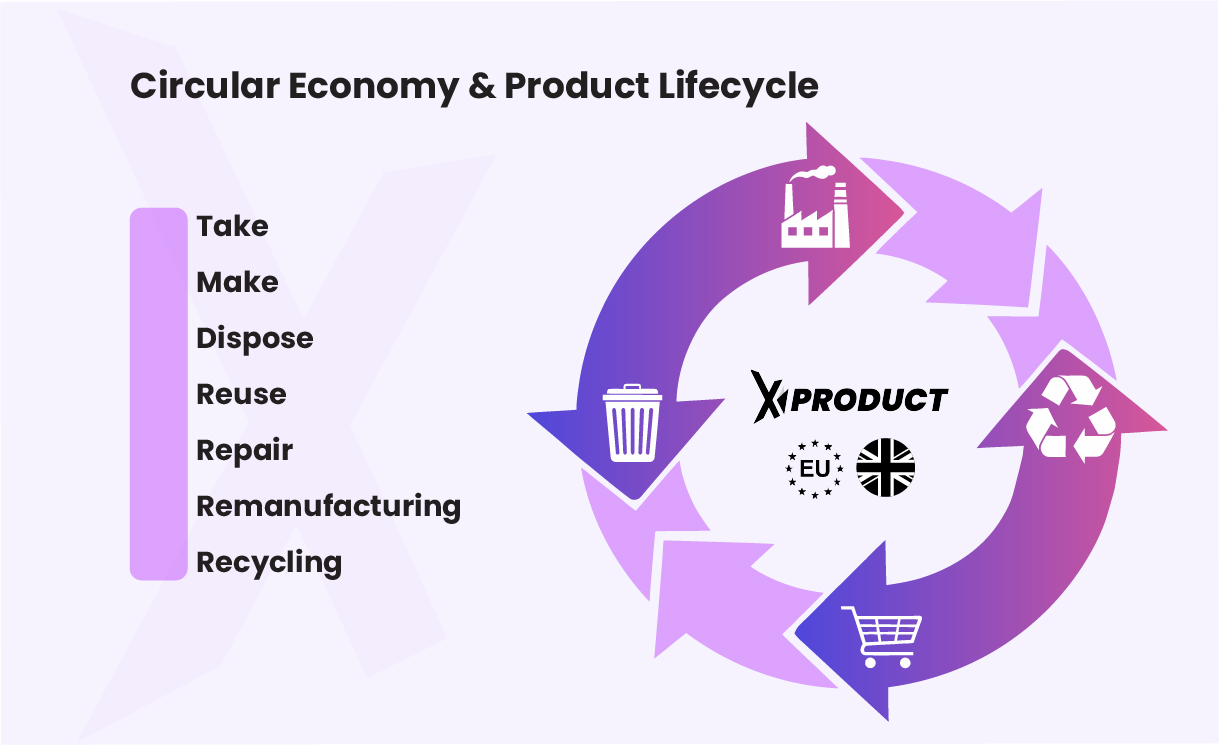
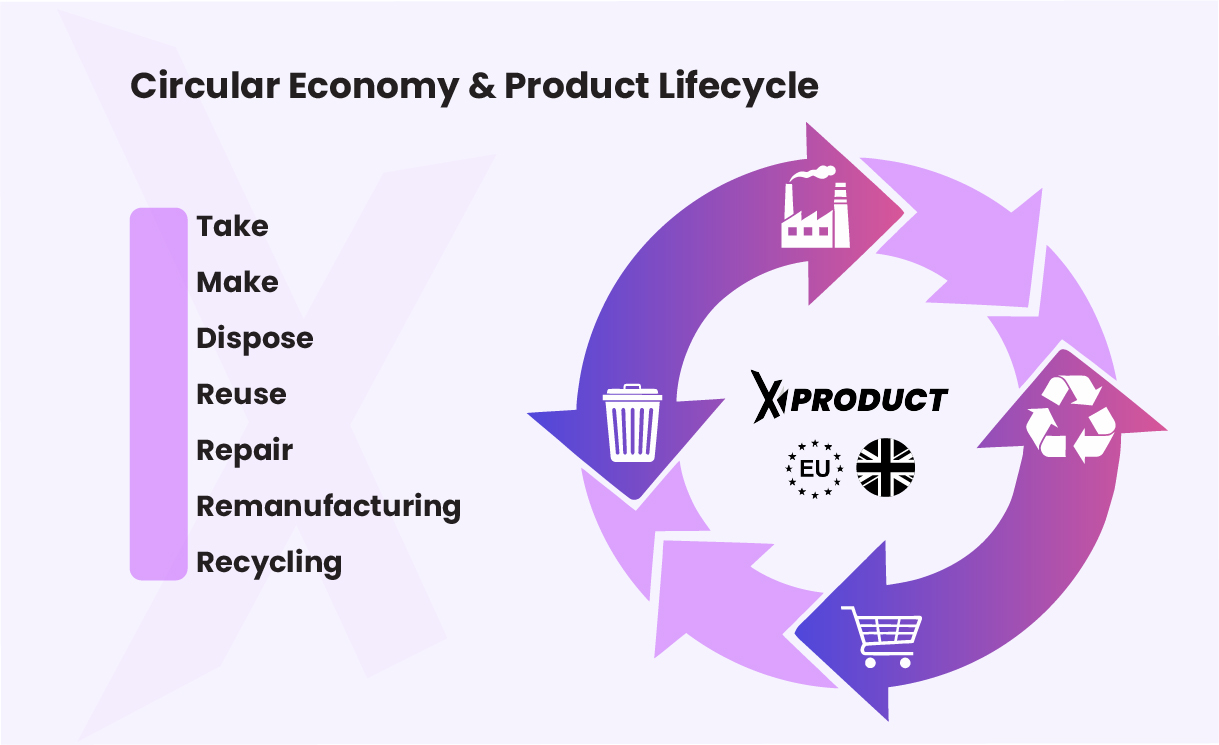
A circular economy (CE) shifts away from the traditional “take–make–dispose” model and toward a regenerative system designed to eliminate waste, keep materials in use, and support natural regeneration. In practice, it means designing products and supply chains so value lasts longer through reuse, repair, remanufacturing, and recycling.
To measure whether improvements are real (not just marketing), many organisations use Life Cycle Assessment (LCA) — the method for evaluating environmental impacts across the full lifecycle of a product, from raw materials to end-of-life.
Why circular economy matters
In a linear model, products are often designed for short lifespans and difficult recycling. A circular model:
- reduces waste and material loss
- extends product life and value
- improves traceability of components and processes
- supports compliance and reporting requirements (especially relevant for DPP initiatives)
Key principles: the 3Rs (in the right order)
Circularity often gets simplified into “recycling” — but the priority order matters:
- Reduce: prevent waste by cutting materials, energy, and emissions at the source
- Reuse: keep products/components in use as long as possible
- Recycle: recover materials when reuse is no longer possible
Recycling is important — but it’s usually less efficient than preventing waste or extending life.
Closing the loop: biological vs technical cycles
A common way to understand circular loops is to split them into two systems:
Biological loop (compostable)
Materials that can safely return to nature:
- natural fibres
- biodegradable packaging
- organic inputs
Technical loop (reusable/recyclable)
Materials that stay in industrial cycles:
- metals
- plastics
- batteries
- electronics components
Circular design aims to keep technical materials in high-value loops (repair, refurbish, remanufacture) before recycling.
Circular lifecycle stages (end-to-end)
Circular economy isn’t only an end-of-life topic — it affects every stage:
1) Design
Design choices decide most of a product’s lifecycle impact. Circular design focuses on:
- durability and longevity
- modularity (swap parts instead of replacing the whole product)
- design for disassembly (fast, safe separation of materials)
- repairability and access to parts/tools
2) Manufacturing
Circular manufacturing aims to:
- use recycled/renewable materials where possible
- use renewable energy and reduce process emissions
- reduce scrap and improve yield
- track and verify key production events (important for audits)
3) Use phase
Extending use is often the biggest “win”:
- repair programs and service networks
- spare parts availability
- leasing / subscription models
- product take-back systems
- clear care instructions and maintenance guidance
4) End-of-life
When products reach end-of-life, circular systems ensure they don’t become waste:
- collection + return pathways
- recycling centre routing
- verified recovery rates and outcomes
- feedback loops into design improvements
Where LCA fits in (and why it’s essential)
Life Cycle Assessment (LCA) quantifies environmental impacts across lifecycle stages. It helps you answer:
- Where are the biggest impact hotspots (materials, manufacturing, logistics, use)?
- Does a new material reduce emissions or shift the impact elsewhere?
- Do repair/refurb pathways outperform recycling-only approaches?
- What improvements actually move the needle (and can be documented)?
When combined with structured product data (like DPP-ready records), LCA can move from one-off reporting to repeatable measurement across SKUs.
Practical first steps for brands and manufacturers
If you’re starting from scratch, here’s a realistic roadmap:
- Map your product lifecycle stages and identify the top 3 “impact hotspots”
- Start collecting structured data for materials, production, and end-of-life pathways
- Enable repair + return programs where feasible
- Add verification checkpoints for key lifecycle events (manufacturing changes, certification updates, repair logs)
- Use LCA to validate that improvements reduce overall impact — not just one stage
Summary
A circular economy is a system approach: design better, keep products in use longer, and recover value at end-of-life. Lifecycle thinking ensures every stage is improved — and LCA provides the measurement needed to prove progress.
If you’re building Digital Product Passports or lifecycle transparency, circular economy principles and LCA are the foundation for real, auditable sustainability.